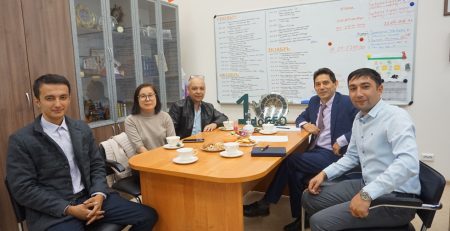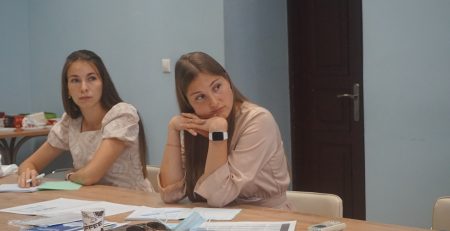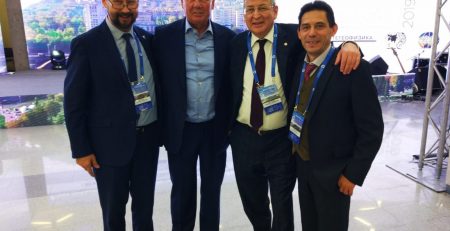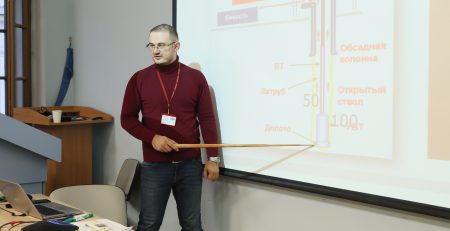
Cuban national oil company CUPET employees receive training at CdoGEO
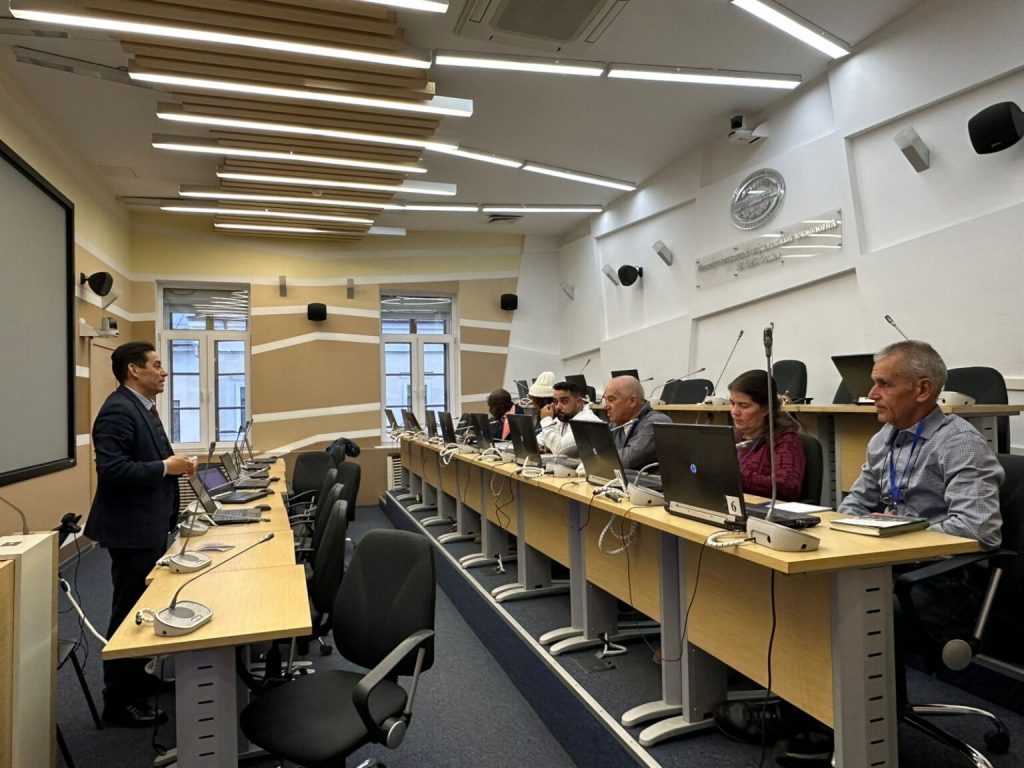
The Non-seismic Methods for Hydrocarbon Exploration program course was held last week.
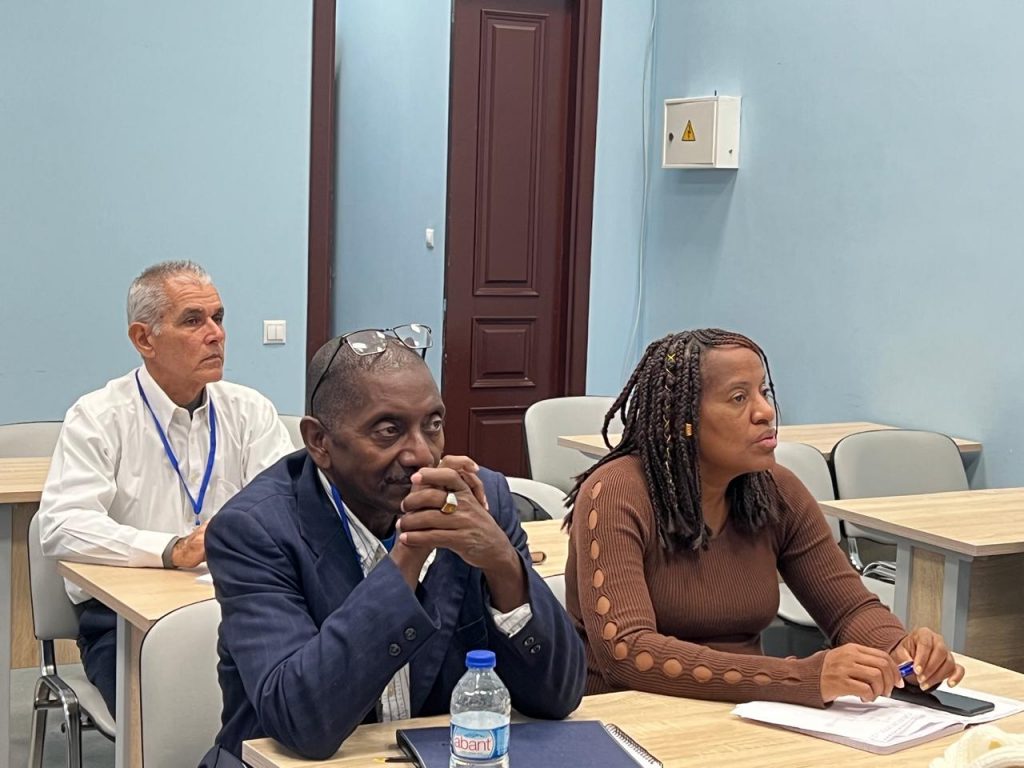
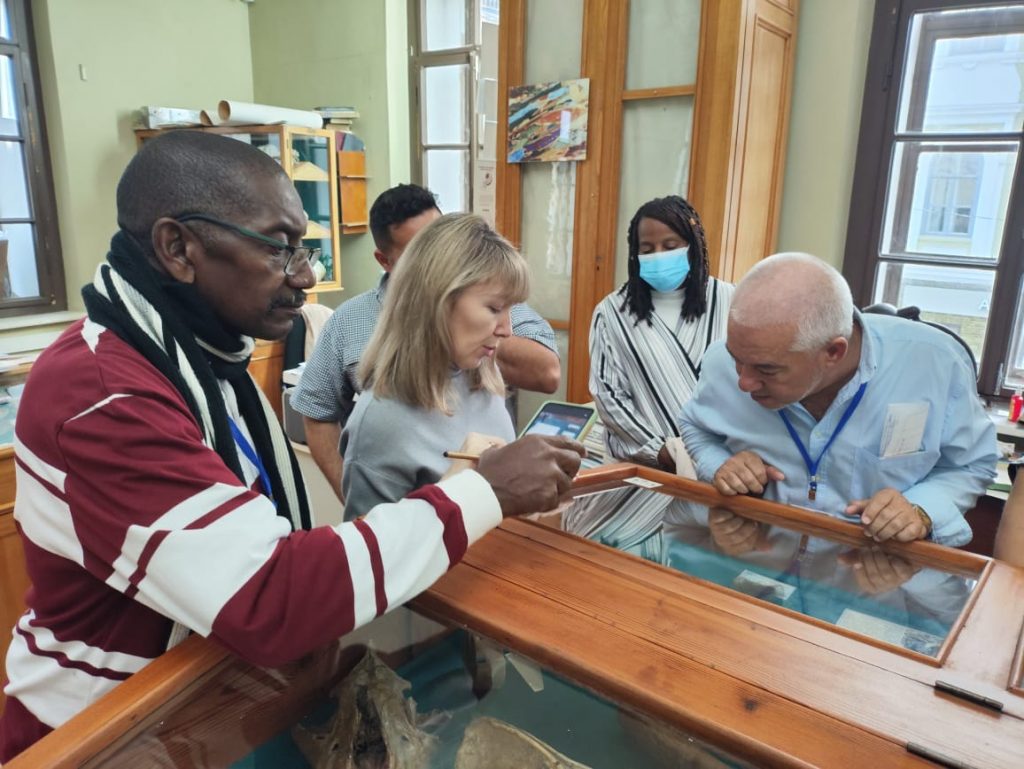
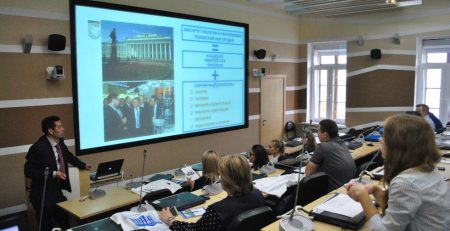
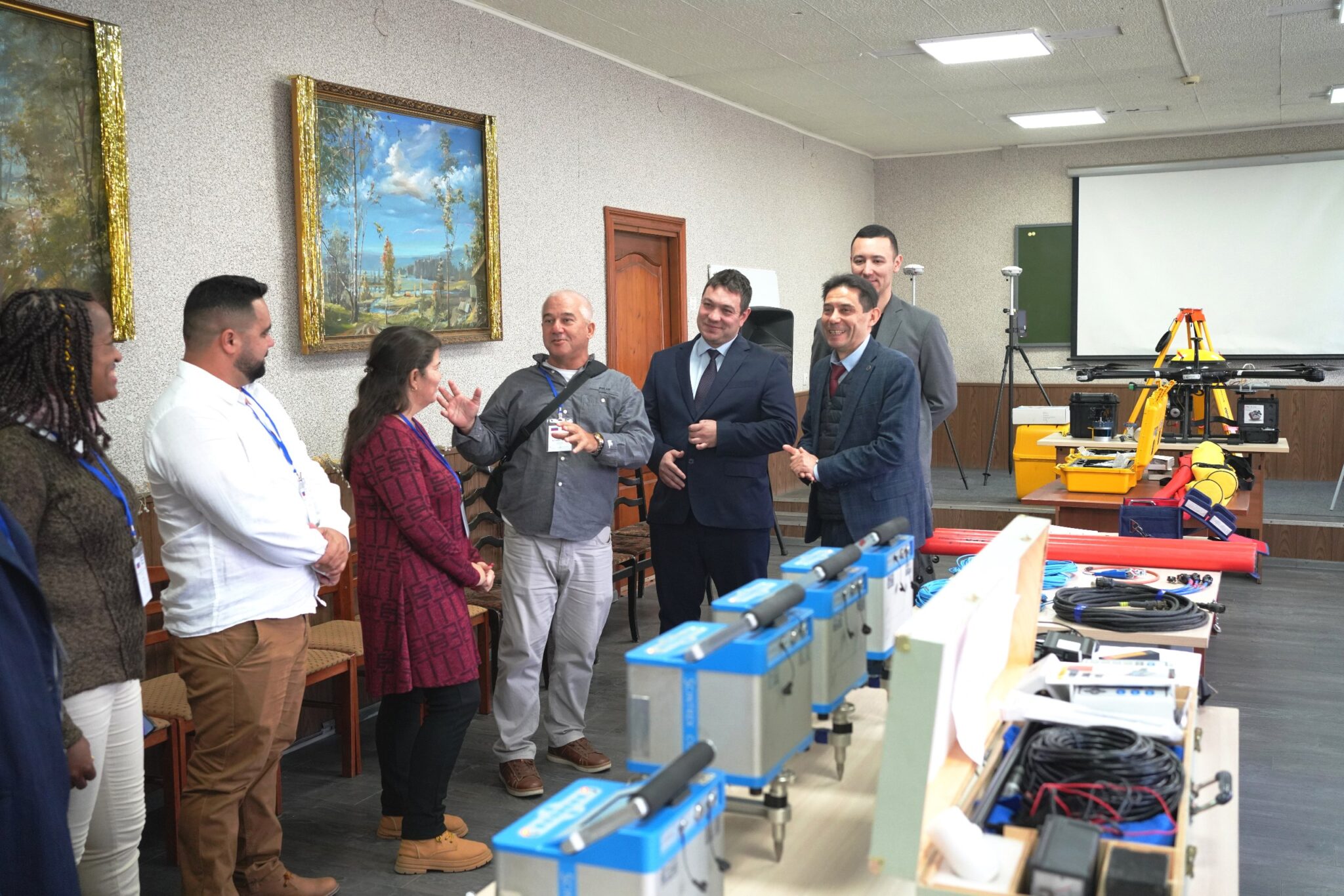
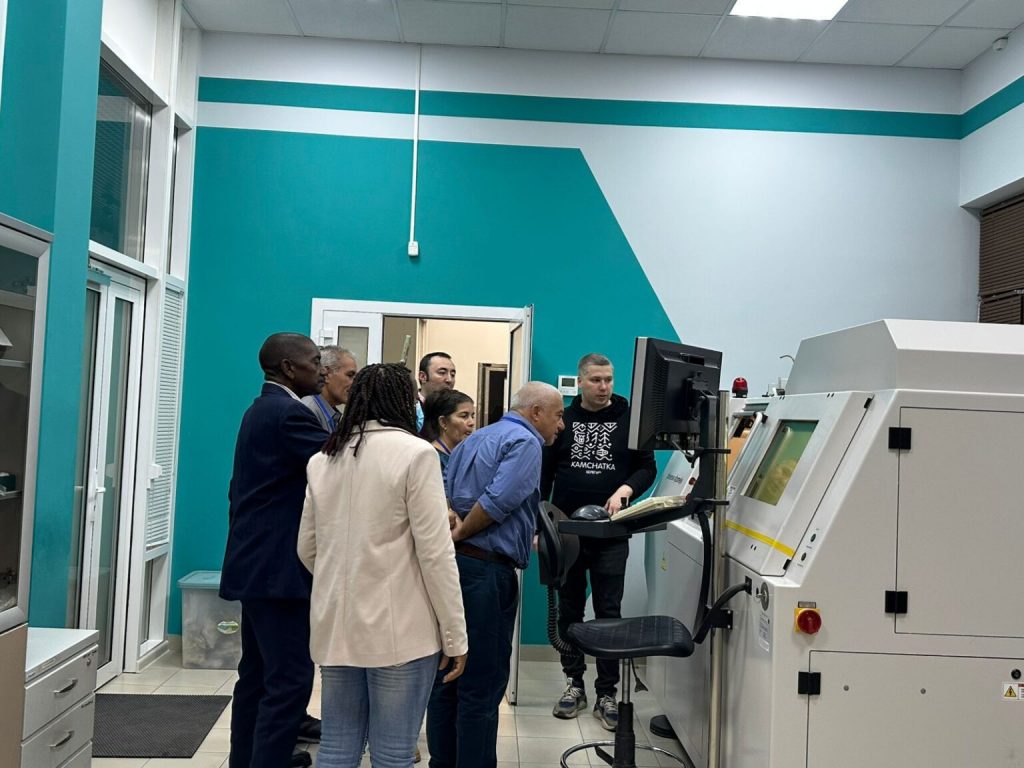
For a week, six specialists not only studied but also learned about Kazan and KFU. Their program comprised lectures, including one given by Danis Nurgaliev, KFU Vice-Rector for Earth Sciences, practical classes, and visits to laboratories, museums, the Kazan Kremlin, and TNG Kazan Geophysics, one of Russia’s leading companies engaged in geological and geophysical work.
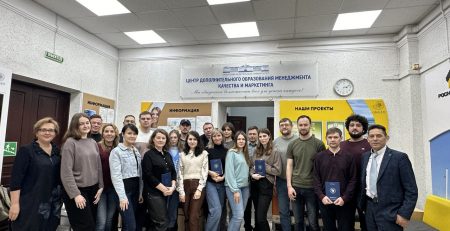
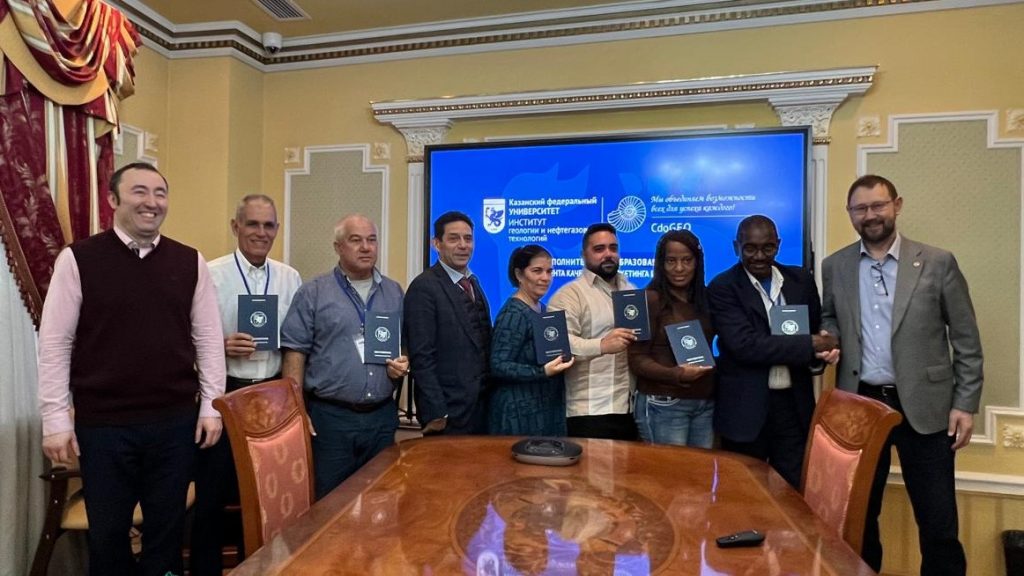
“A group of highly motivated specialists in geology, exploration, production, and refining came to us from Cuba. We hope that they will actively implement the knowledge they gain in practice, so that Cuba becomes even more independent and free, and the lives of people on the island improve,” noted the Vice-Rector at the certificate award ceremony.
This final event was attended by Ildus Chukmarov, Deputy Director for Continuing Education and Work with Industrial Partners at IGPT, Head of CdoGEO, Chairman of the Tatarstan Regional Branch of the Russian Society for Friendship with Cuba (RSFC), and International Cooperation Officer Yury Nurmeev, who accompanied the Cuban delegation throughout their training.
“We didn’t simply improve the qualifications of Cupet employees; we introduced them to the most modern technologies, including those developed at KFU, for improving the efficiency of hydrocarbon exploration, as well as oil production and refining. This will ensure the island nation’s energy independence. I would like to point out that the main goal of the Tatarstan branch of the RSFC is to promote the development of Cuba’s fuel and energy sector,” said Dr Chukmarov. “The Cuban delegation included representatives from an oil refinery, who spoke about production challenges. It turned out, for example, that the refinery requires good metrological support for its production processes, specifically, a good technology for metering incoming oil. Furthermore, one of the main challenges they are trying to address is reducing the sulfur content of high-viscosity crude oil. We offered our assistance to our Cuban colleagues.”
The instructors who conducted the courses consulted with the participants on a wide range of issues, including production-related ones.
“During our discussions, we discovered that at Cuban refineries, employees sometimes use instruments with unverified metrological characteristics and uncertified measurement methods to measure the quantity of oil and petroleum products. The use of EU regulations does not ensure the uniformity of measurements in the Republic of Cuba,” said Iosif Fishman, Head of the Department of Metrology at IGPT. “The participants carefully studied the relevantl documents of the Russian Federation, as well as the rules and methods for measuring hydrocarbons in storage and distribution tanks.”
CdoGEO plans to organize a refresher course for CUPET employees on metrological support for measuring the quantity and quality of oil and petroleum products at oil refineries. During this course, they will develop methods for measuring the mass of oil and petroleum products in storage and distribution tanks and tank trucks.
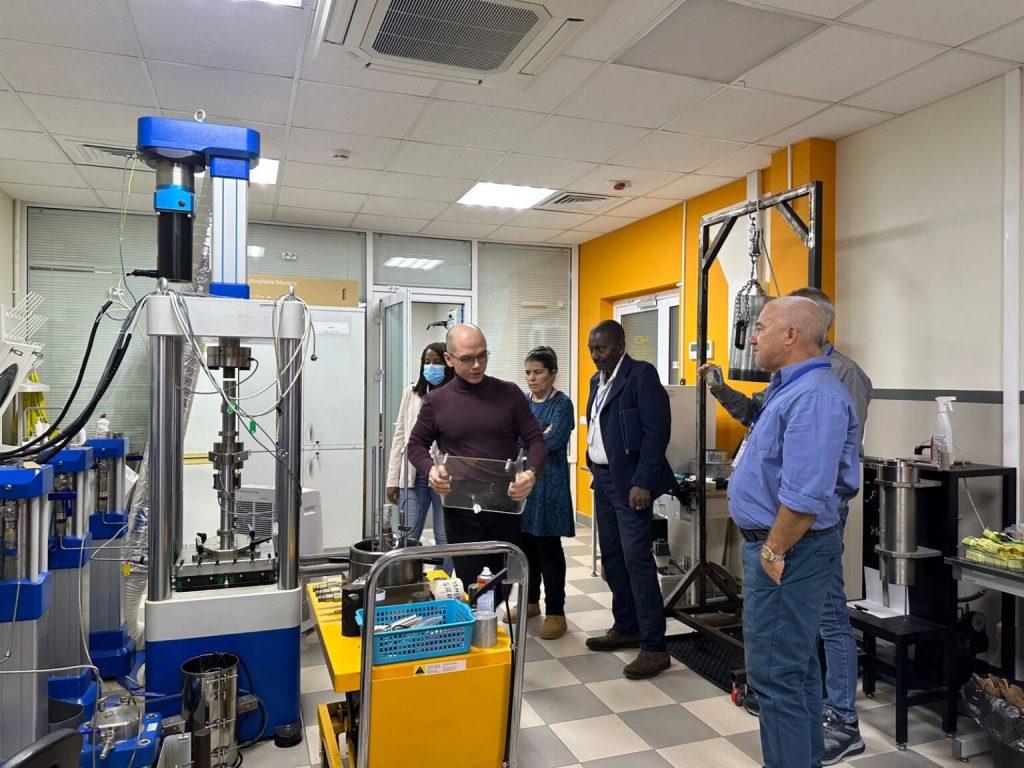
“During the Cuban guests’ visit to the In-Situ Combustion Laboratory and the Laboratory for Enhanced Oil Recovery, we introduced them to the developments of our scientists unconventional hydrocarbon resource development. The visitors from the friendly nation were particularly interested in the results of aquathermolysis catalyst tests at the Boca de Jaruco field in their homeland. Among the Cuban participants were specialists who continue to develop this technology using local raw materials. We also demonstrated KFU’s developments in oil desulfurization during the pre-transportation stage,” said Alexey Vakhin, Head of the In-Situ Combustion Laboratory.
Alim Kemalov, Head of the Department of Oil, Gas, and Carbon Materials Technology, reported that CUPET representatives visited three of the department’s laboratories, followed by a meeting to discuss the possibility of training, as well as modeling and process design issues for Cuban refineries.
“During our tour of the laboratories, we demonstrated how heavy oil residue and bitumen research is organized, as well as how polymer-bitumen materials are created for road and civil construction. We also discussed the depressant-dispirant additives we are developing for diesel fuels and octane-boosting additives for gasoline,” said Dr Kemalov.
As they parted, the Cuban company representatives thanked KFU for its hospitality and individualized approach to training.
“Oil refining was not included in our advanced training course. However, at our request, the Center for Advanced Training organized a visit to the laboratories of the university’s Department of Oil, Gas, and Carbon Materials Technology, where we learned about the most advanced oil refining technologies developed by KFU scientists,” said Carlos Enrique Diaz Bernal, Deputy Director of the Cabaiguán Oil Refinery.
Nicolás Alfonso Rodríguez, who studied in Russia for five years, interpreted the lectures for his colleagues.
“I graduated from the Ufa Petroleum Institute in 1990 and have been working as a driller for CUPET ever since,” he said. “Everything they told us here about non-seismic methods was very interesting. I think we should use them more, especially since they’re inexpensive.”
According to him, all the KFU laboratories they visited were well-equipped, and their research is conducted at the highest international level.
“At KFU, we were able to find answers to all the questions we were interested in,” shared geologist Victor Antonio Moya Padilla. “We had previously used non-seismic methods only in field development, but at Kazan University, we were explained how they can be used for prospecting and exploration. Now our task is to inform our company’s management of the potential of these methods.”
It’s worth noting that 287 Cuban nationals have completed retraining and advanced training at the CdoGEO from 2018 to 2025. The courses have been offered in person in both Havana and Kazan.