Seismic facies analysis course conducted at CdoGEO
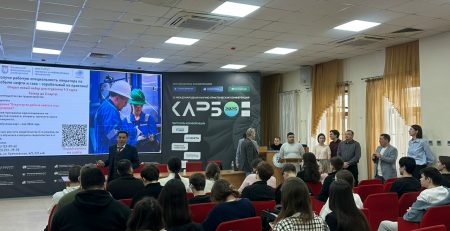
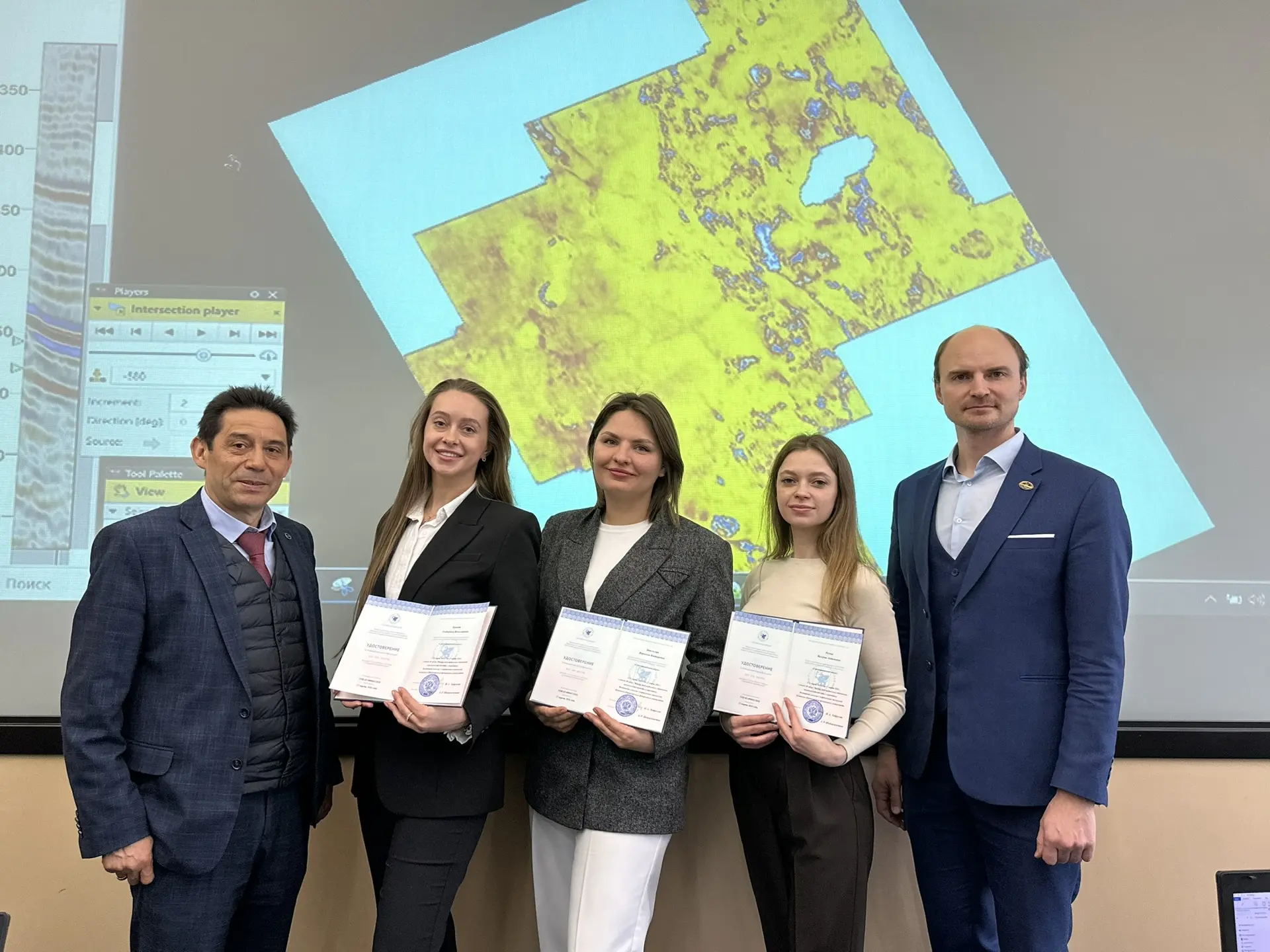
From March 23 to 27, 2026, the Center for Continuing Education, Quality Management and Marketing held a professional development course in Seismic Facies Analysis.
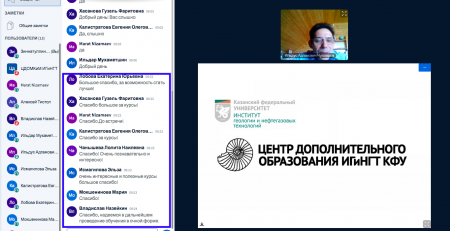
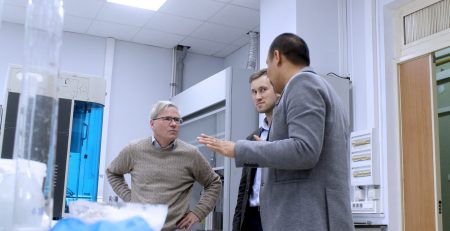
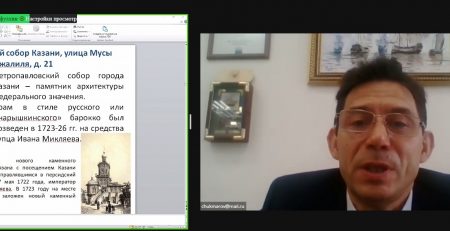
The training was conducted in a blended format: in-person and via videoconferencing, bringing together specialists from different cities in a single educational space. Representatives of LUKOIL-Engineering LLC joned the in-person course. Specialists from RN-GIR LLC participated via video conferencing.
The course curriculum builds on fundamental discoveries made at Kazan University. «The course focused on modern approaches to seismic data interpretation for identifying and mapping facies settings, which is a crucial step in constructing geological models and predicting reservoir properties,» explained Senior Lecturer Boris Platov.
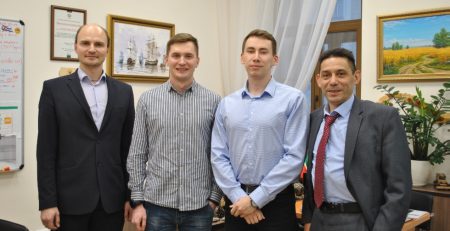
Head of CdoGEO Ildus Chukmarov noted, «We are pleased that specialists from leading oil and gas companies are choosing our advanced training programs. We have a long-standing, fruitful partnership with LUKOIL-Engineering. It is especially important that the foundations of the methods we teach today in the Seismic Facies Analysis course were laid here in Kazan, within the walls of Kazan University. In 1868, Nikolai Alekseevich Golovkinsky, a professor at our university, discovered the lenticular structure of sedimentary bodies. Today, these «lentils» are recognized as a complete analogue of sequences—the fundamental units of sequence stratigraphy, which only gained international recognition in 2002. Thus, by teaching modern methods of seismic data interpretation, we continue the traditions of the Kazan geological school, which spans over two centuries.»
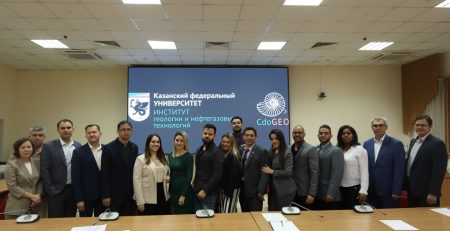
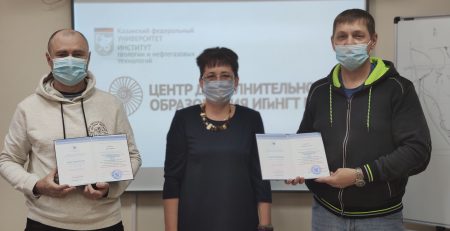
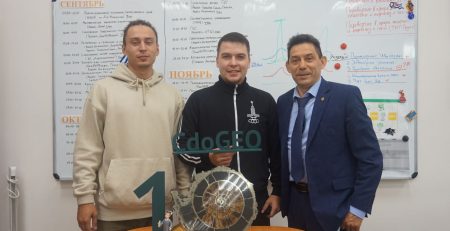
In recognition of their trust and contribution to the development of joint educational projects, the Center presented the students with commemorative souvenirs, ammonites, symbolizing the connection between times in the study of geology.
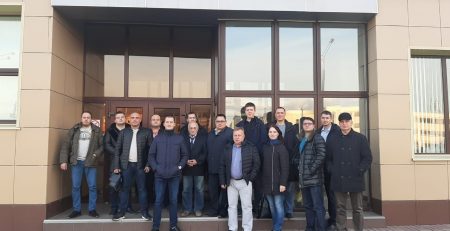
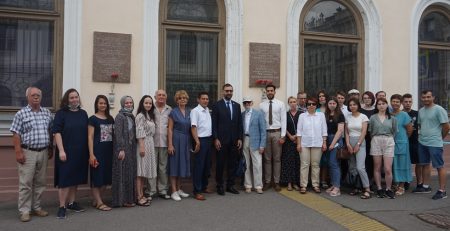
A guided tour was organized for the in-person module participants. They visited the Kazan Kremlin, the city’s main historical and architectural complex, and the Shtukenberg Geological Museum, one of the oldest and richest natural history museums in Russia. «We thank the organizers for the rich program—both educational and cultural. This is an excellent opportunity not only to improve our skills but also to learn about the history and science in Kazan,» the students shared.